
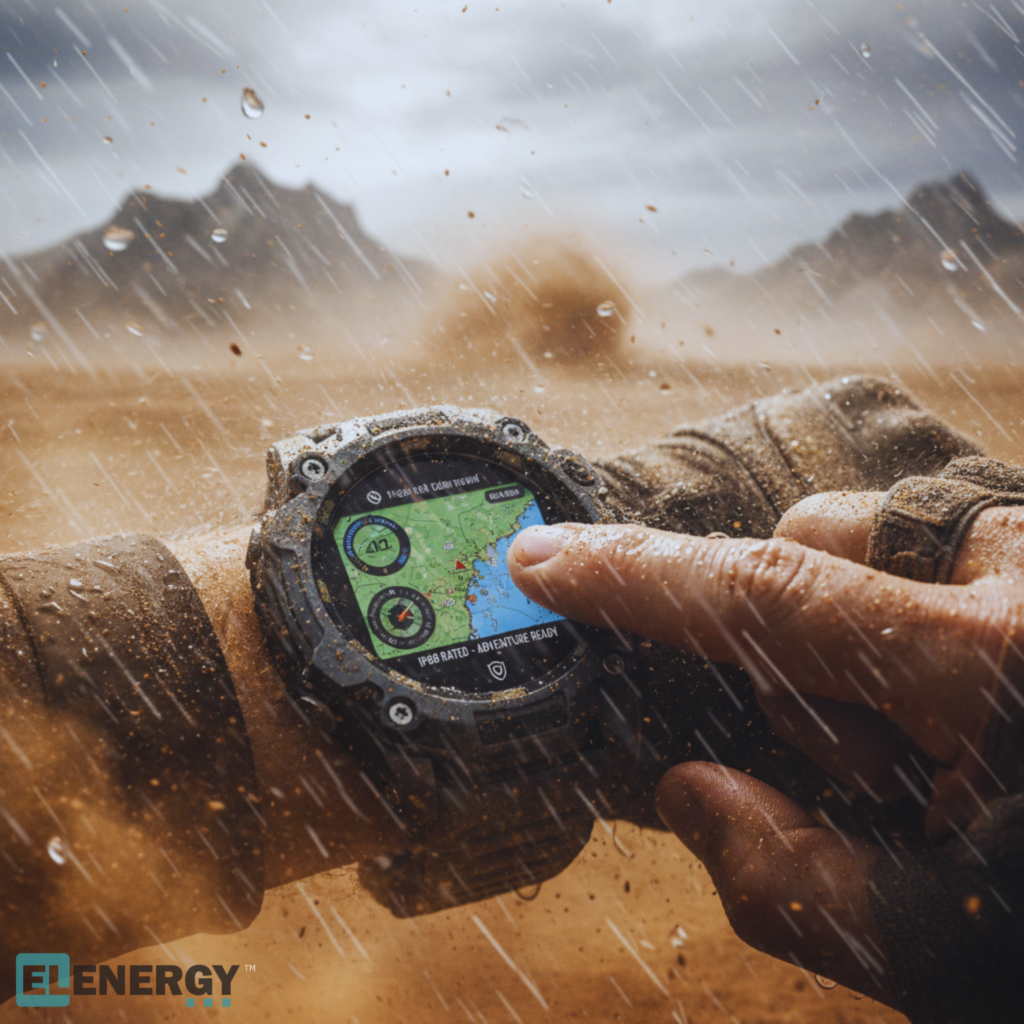
Ingress Protection (IP) Testing and Ratings: The Ultimate Guide
You’ve probably seen an IP rating on your gadgets, and you’ve probably wondered, What does this actually mean? Is it important? Will it affect your device’s ability to survive in different conditions? Let’s break it down and understand everything about what Ingress Protection (IP) ratings are all about, how they’re tested, and why they matter for your devices. What is IP Testing? IP testing is all about making sure that your device can endure the elements, whether that’s dust, dirt, or water. If you’re using it outdoors, in tough conditions like in a workshop, or in extreme weather conditions, you will be wondering if this device will be able to withstand these conditions. These IP ratings will give you the assurance that these devices will not get damaged after being exposed to dirt or water. IP ratings aren’t just numbers that are found on a product box , They’re obtained as a result of detailed and careful testing and engineering to make sure that your device will perform reliably in tough conditions like these. Before getting into the specifics of IP testing and ratings, it’s essential to know that these ratings are standardized. This is to help you understand how well your device will be able to withstand when exposed to things like dust, dirt, moisture, or water. Without these ratings, it would be hard to figure out if your gadget can really handle the rough stuff. Why Do IP Ratings Matter? Without IP ratings, it would be difficult to assess whether a gadget could survive exposure to dirt or water. These ratings offer peace of mind, ensuring that your device will perform reliably in rugged conditions. Moreover, the standards behind IP ratings are universal, making it easy for you to compare devices and choose the right one for your needs. Breaking Down the IP Rating Let’s get into what an IP rating means. IP ratings are always two digits long, i.e, the first digit refers to how well the device is protected from solids (like dust), and the second digit refers to how well the device is protected against liquids (like water). Let’s break them down : The First Digit: Protection Against Solids 0: No protection at all. 1: Protected against objects larger than 50mm, like hands or large tools. 2: Protected against objects larger than 12mm, like fingers. 3: Protected against objects larger than 2.5mm, like wires or small tools. 4: Protected against objects larger than 1mm, like screws and small wires. 5: Dust-protected – some dust might get in, but it won’t interfere with the operation and performance of the device. 6: Dust-tight – no dust can enter at all. The Second Digit: Protection Against Liquids 0: No protection against liquids. 1: Protected against vertically falling water (light rain). 2: Protected against water falling at an angle (up to 15 degrees). 3: Protected against water sprayed from a 60-degree angle. 4: Protected against splashing water from any direction. 5: Protected against low-pressure water jets from any direction (like a garden hose). 6: Protected against powerful water jets. 7: Protected against immersion in water up to 1 meter for 30 minutes. 8: Protected against continuous immersion in water beyond 1 meter. 9: Protected against high-pressure water & high-temperature water jets. So, a device with an IP67 rating, means that the device is dust proof and protected against immersion in water upto 1 meter. Understanding these ratings is vital as these ratings will tell you exactly what kind of environments the device can handle. Want to ensure your device can handle the elements? Contact Elenergy for expert IP testing services today! Get in touch How Do Devices Achieve Their IP Rating? You might be wondering, How do devices actually achieve their IP rating?A lot of engineering goes into making sure that the devices we use every day can withstand extreme conditions. There’s a lot of Design, material choices, and that goes into achieving that perfect IP rating. Here’s how it works: 1. Design & Engineering Device manufacturers work hard to design their products inorder to keep out the dust and moisture by using sealed casings, rubber gaskets, and protective coatings to ensure that nothing gets in. For example, waterproof phones often have tightly sealed ports and a special coating on the circuit board to prevent damage and protect the internal circuits from water. 2. Materials Some materials have better ressistance to water and dust comparitively . Metal, plastic, and glass are commonly used because they are able to form a tight seal and can withstand these elements. Materials like gaskets, seals, and adhesives are also used and it help to keep water and dust from getting inside by creating an impermeable barrier. 3. Testing Once the design and materials are confirmed, then the manufactured device is subjected to rigorous Ingress Protection (IP) tests. This is where things like dust chambers and water tanks are used to make sure that the device meets the standards of its IP rating. Types of IP Testing 1. Dust Ingress Testing (Solid Object Testing) In Dust Ingress testing, the device is placed in a dust chamber and exposed to fine dust particles for a specific period. The goal is to see how well the device holds up to dust exposure over time. For IP5X and IP6X, devices are subjected to this type of testing to make sure that no dust will interfere with the device’s operation. IP5X: Some dust may enter, but it won’t impact functionality. IP6X: No dust can get inside the device. 2. Water Resistance Testing Water resistance is tested by spraying or submerging the device in water. The device is subjected to water jets, sprays, or even full submersion, depending on its rating. This test is done to find out whether your device will be able to survive a splash, a downpour, or even being submerged in water. Testing standards vary depending on the rating. For example: IPX7: The device can handle being submerged in water for 30 minutes at
Ingress Protection (IP) Testing and Ratings: The Ultimate Guide Read More »