
Mechanical Testing Services
NABL-accredited and BIS-recognized mechanical testing services.
We are an NABL-accredited and BIS-recognised advanced Mechanical Testing Laboratory in Bangalore, India. ELENERGYLAB Mechanical Testing Lab plays a crucial role in meticulously evaluating products according to a variety of national and international standards. With the latest instruments at our disposal, our talented team of engineers and technicians is dedicated to providing exceptional precision and reliability. We’re committed to upholding the utmost levels of precision, dependability, and adherence to mechanical testing protocols. Ensuring our clients receive the quality they deserve.
Why Choose Us
Certified Quality Control Through Data-Driven and Comprehensive Mechanical Testing Services
Comprehensive Mechanical Testing Services
We evaluate the ultimate strength, long-term durability and real-world performance of your materials under a diverse range of physical conditions.
Data-Driven Quality Control & Certifications
Get the precise, critical data required for rigorous quality control and official material certifications, ensuring your products meet or exceed strict industry standards.

We combine speed, efficiency, and expert care to deliver high-quality solutions that give you ultimate peace of mind
Our Mechanical Testing Services
Reliability Testing
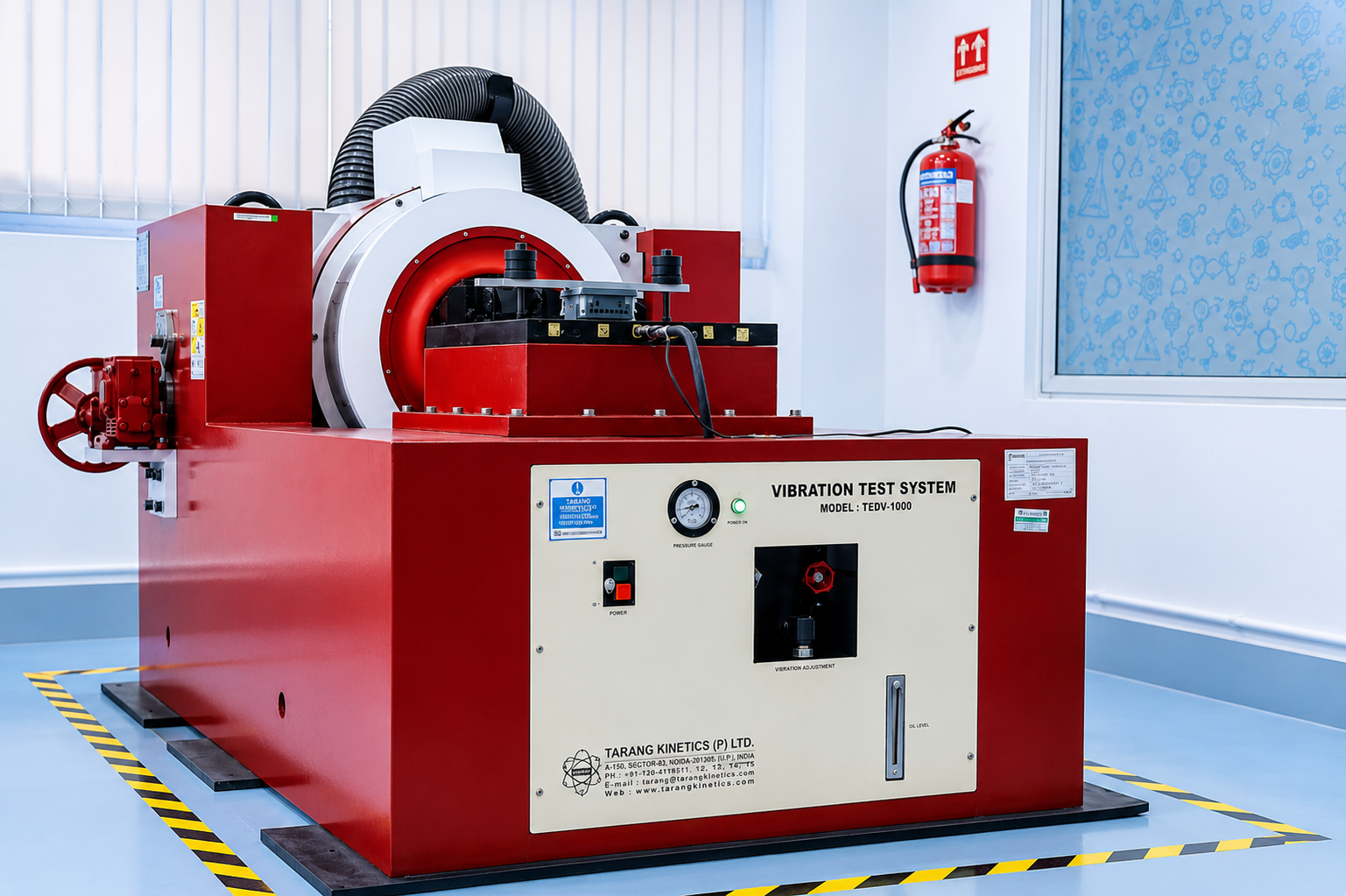
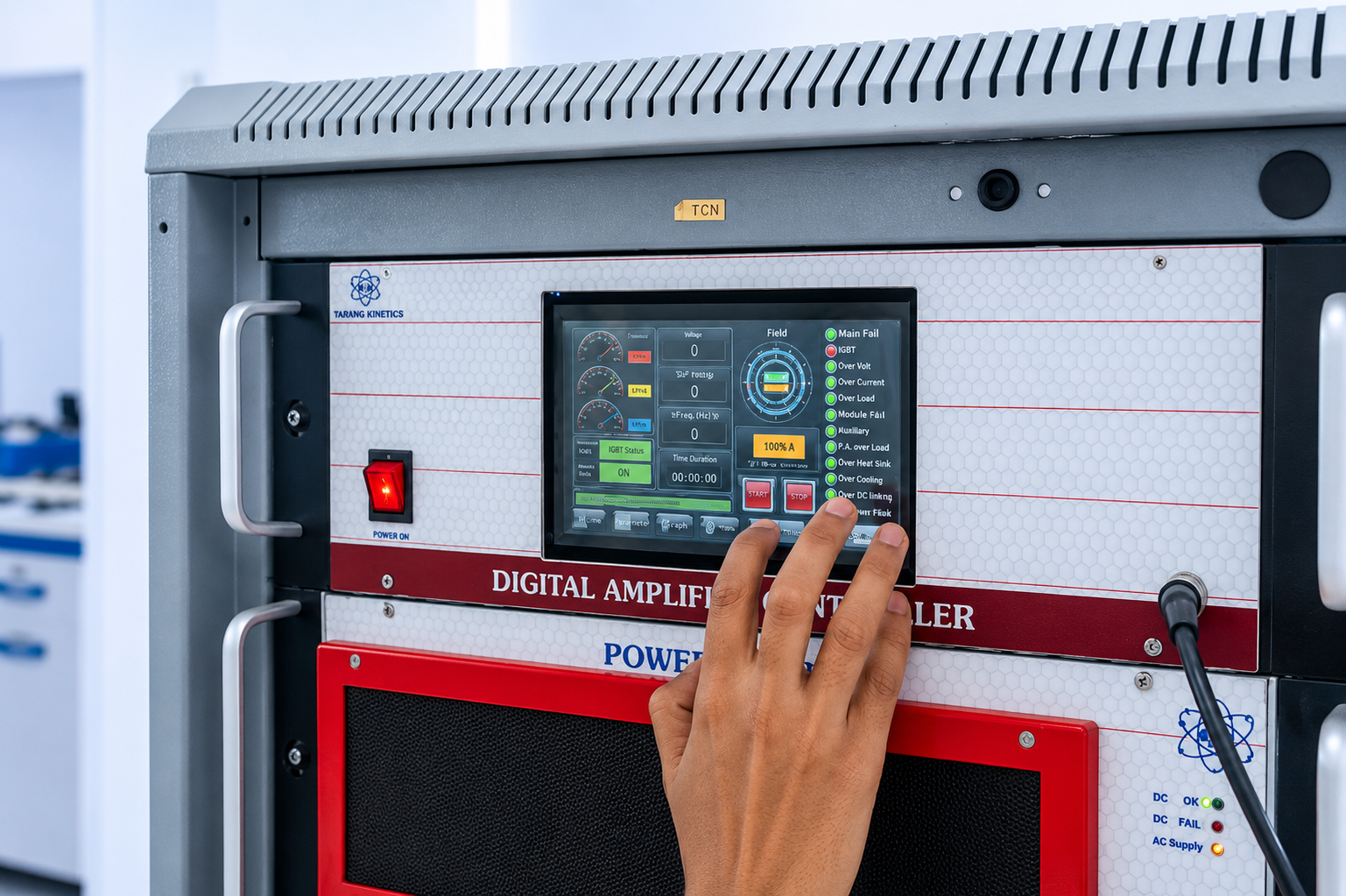
We offer comprehensive reliability testing services to evaluate how your energy meters and components endure extended mechanical stress, environmental aging, and operational fatigue over time. Our laboratory utilizes accelerated life testing and climate simulation profiles to predict long-term performance, ensuring ultimate product reliability and compliance with international durability benchmarks.
Types of Reliability Testing:
- Vibration Test
- Shock Test
Impact Testing
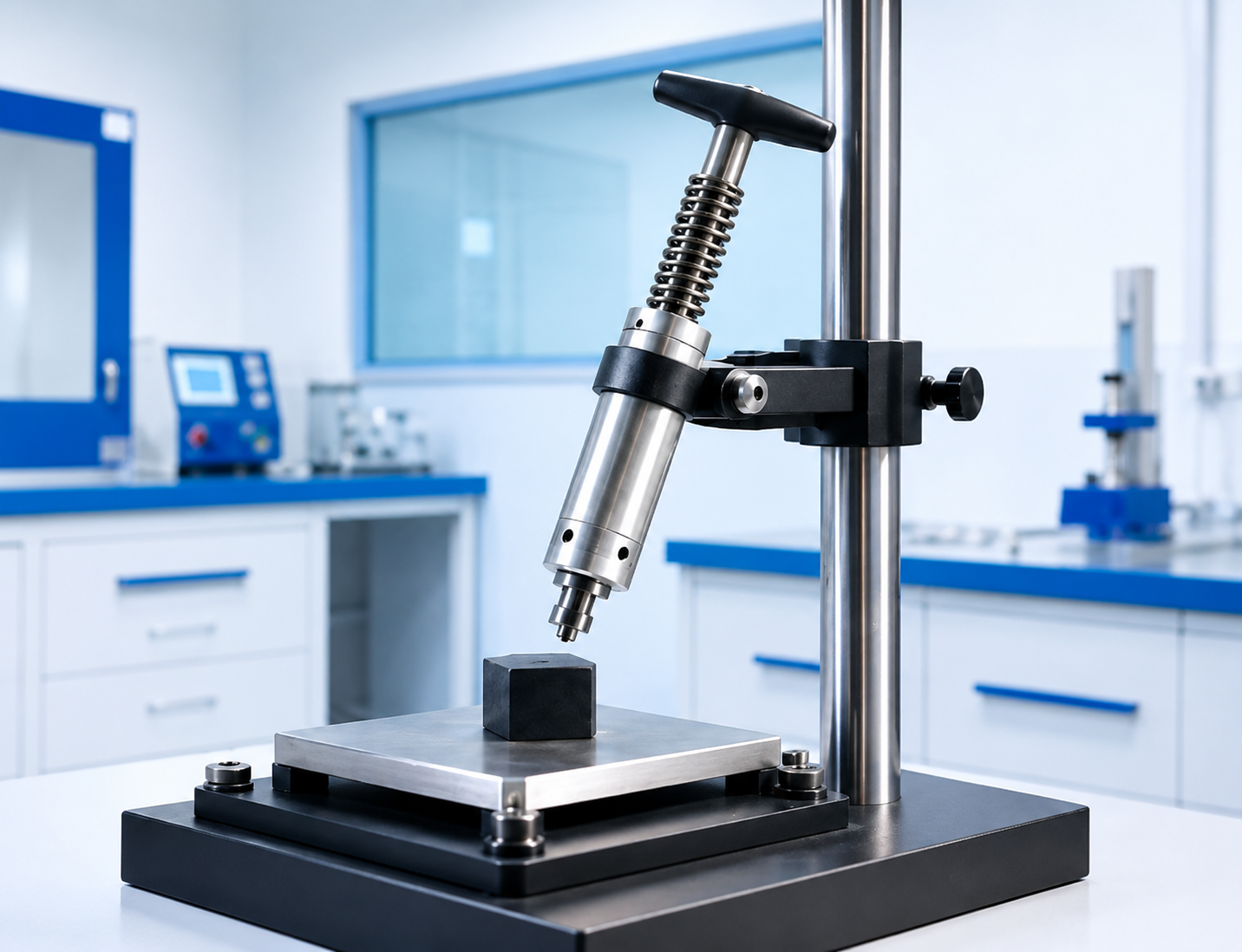
Our labs provides accredited impact testing services to evaluate how your energy meter enclosures and electrical equipment withstand sudden, heavy mechanical impacts without cracking or exposing live parts. Our laboratory utilizes precision spring hammers and pendulum drop mechanisms to simulate accidental drops, rough handling, and physical vandalism, ensuring total product safety and compliance with international ruggedness benchmarks like the IK code (IEC 62262) and IS standards.
Types of Impact Testing:
- Spring Hammer Test
- IK Impact Test
Fire and Heat Resistance
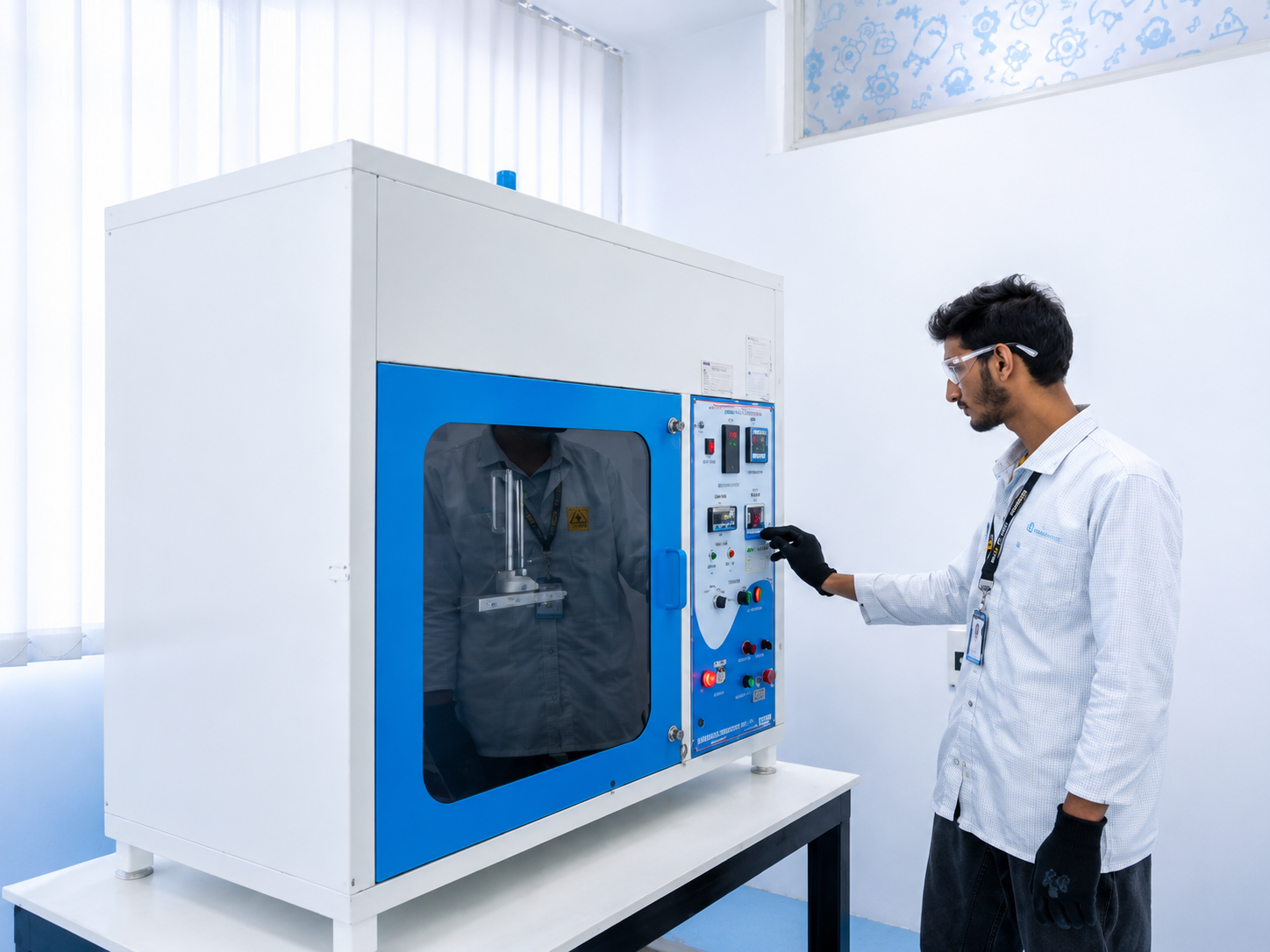
To ensure that your energy meter enclosures, terminal blocks, and internal plastics will not ignite, sustain flames, or deform under extreme thermal duress. Our laboratory subjects non-metallic components to precise glow-wire and flammability tests to guarantee the materials are self-extinguishing and prevent the spread of localized electrical fires, ensuring absolute product safety and compliance with international safety standards like IEC 60695 and IS 13779.
Types are:
- Glow Wire Test
- Ball Pressure Test
- Resistance to Heat & Fire
Certify Your Products With Professional Mechanical Testing Services
Contact our team today to discover how our accredited mechanical testing services can streamline your utility board approvals, eliminate field failures and guarantee absolute product reliability.
FAQs
Fire & heat resistance testing checks how a product or material performs under high temperatures, flame exposure, and thermal stress.
Reliability testing helps confirm that a product can perform consistently over time under repeated use, stress, and operating conditions.
Companies should choose combined mechanical testing services because reliability testing, impact testing, and fire & heat resistance testing together provide a complete view of product safety and performance. This helps reduce failure risk, improve quality, and build customer trust.
We test strictly according to national and international power sector regulations. For smart meters, electronic enclosures, and utility hardware, our mechanical protocols align with IEC 62052-11, IS 13779, and IEC 60068-2-27 for shock and impact resistance.
Impact testing measures how well a material or product resists sudden force, shock, or collision without failing or deforming.